R&D - Project
BB2MANCO Ongoing
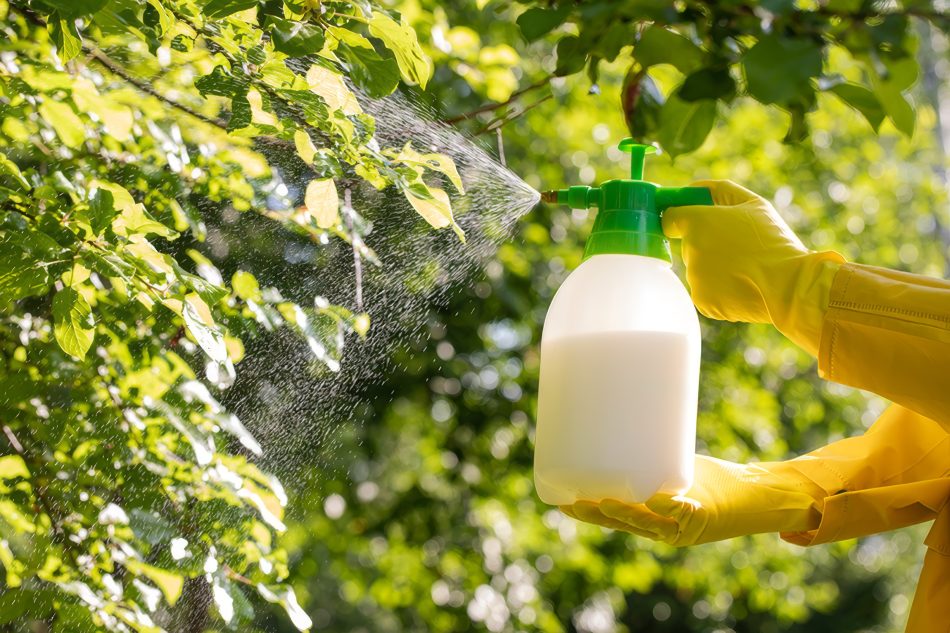
A bio-based alternative to mancozeb
Study of the bio-guided fractionation of two extracts derived from Walloon co-products with a view to developing a bio-based substitute fungicidal product for mancozeb.
LIKE A PRO Ongoing
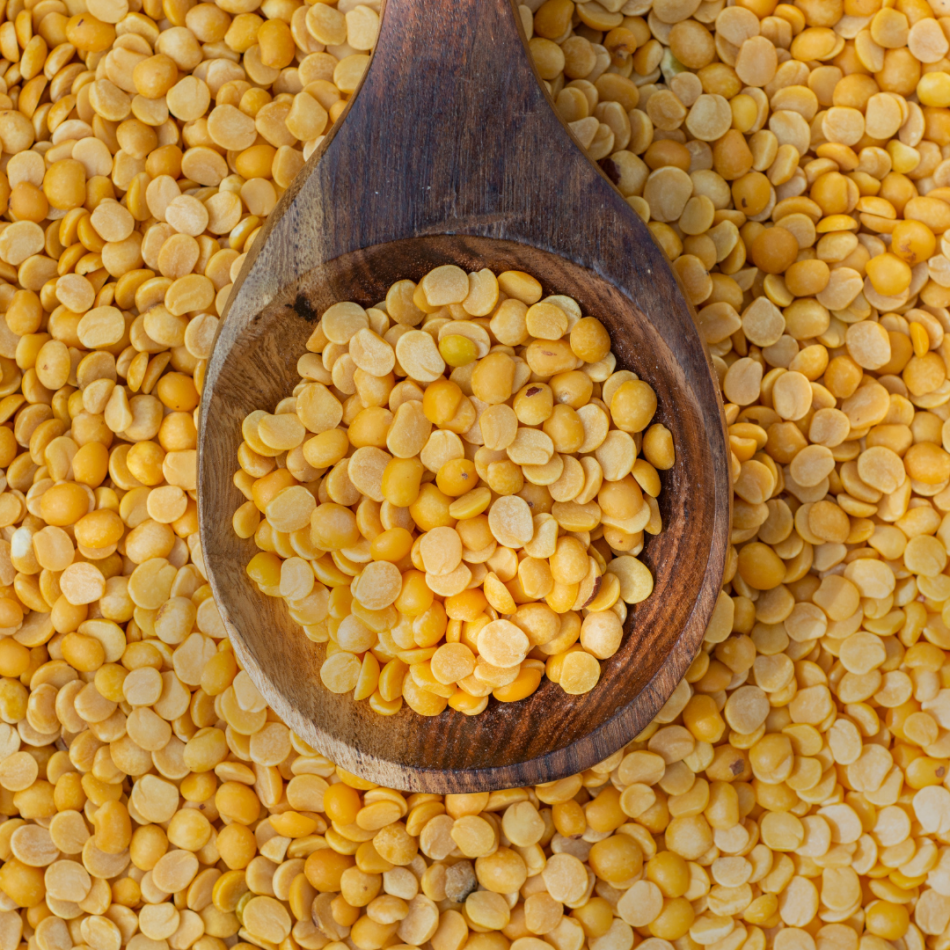
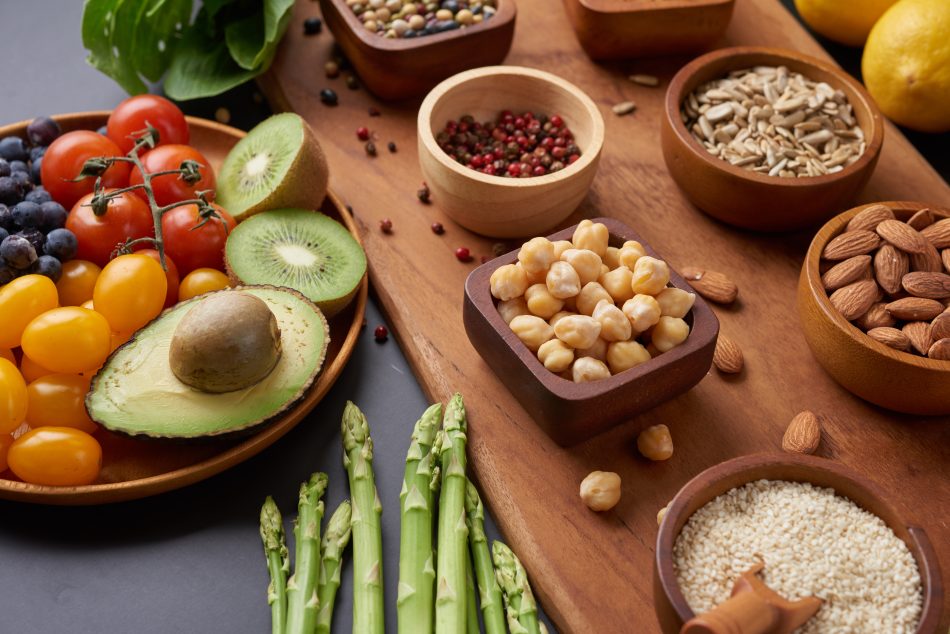
Alternative proteins, for everyone and everywhere
LIKE-A-PRO facilitates access to alternative proteins—plant-based, fermentation-derived, or cell-cultured—for a healthier, more sustainable, and tastier diet.
FOODWAL Ongoing
Stimulating Food Innovation in Wallonia
Peptiboost & Proteboost develop sustainable and industrializable approaches to produce and characterize bioactive peptides and proteins, improving the quality of food products.
WAL’PROT Ongoing
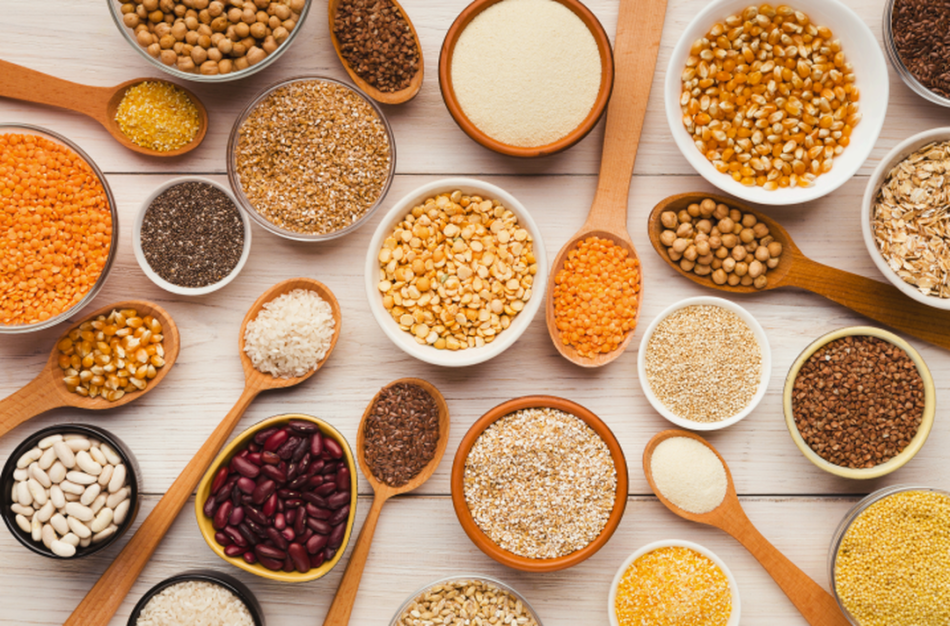
Deployment of the plant-based and alternative protein sector in Wallonia.
WAL'PROT aims to valorize protein sources from crops, co-products, discarded plants, insects, and microalgae, via a cascading and multi-sectoral approach.
BIORELEACIDE Ongoing
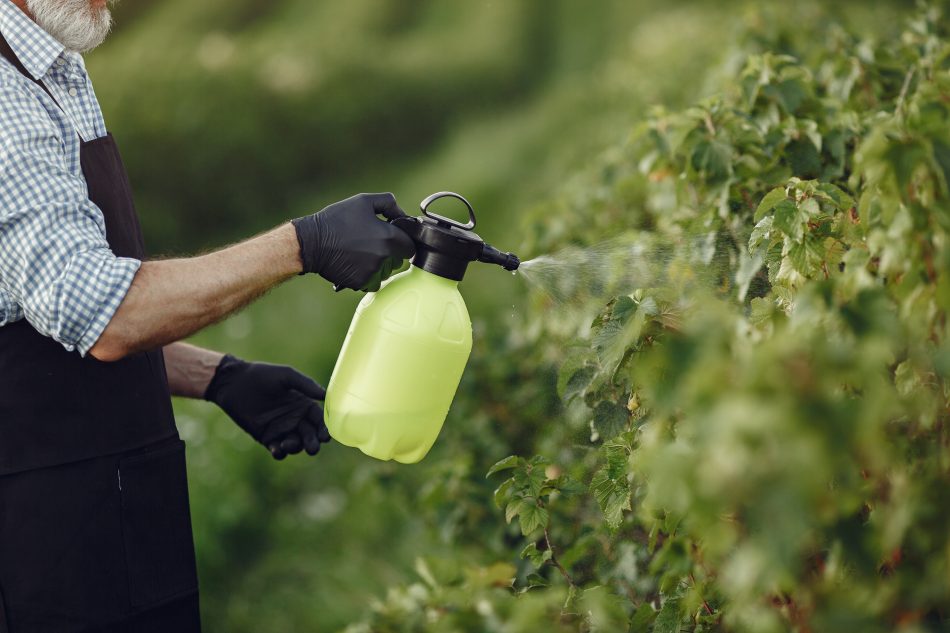
Bio-based capsules for the controlled release of pesticides.
The main objective of the BIORELEACIDE project is the development of bio-based formulations with different controlled release rates of phytosanitary agents.
HALOTEX Ongoing
To be completed
Halophyte biorefinery for sustainable production of textiles, composites, and biochemicals.

UP PLASTICS Ongoing
Eco-design of circular plastic materials in the construction sector.
Create circular materials in the construction sector by valorizing waste from other industrial processes or by using renewable materials.
BIOFLOC Ongoing
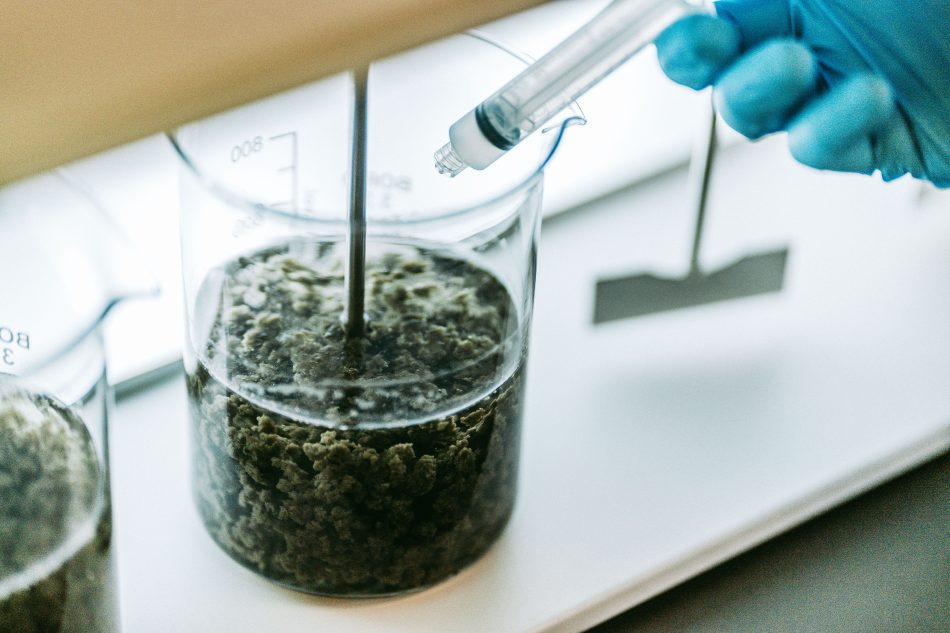
Development of a bioflocculant production process
The BIOFLOC project aims to develop and validate a production procedure for a bioflocculant consisting of a bacterial consortium, produced under non-sterile conditions on a medium formulated from waste from the industry
SLUDGE2BBI Ongoing
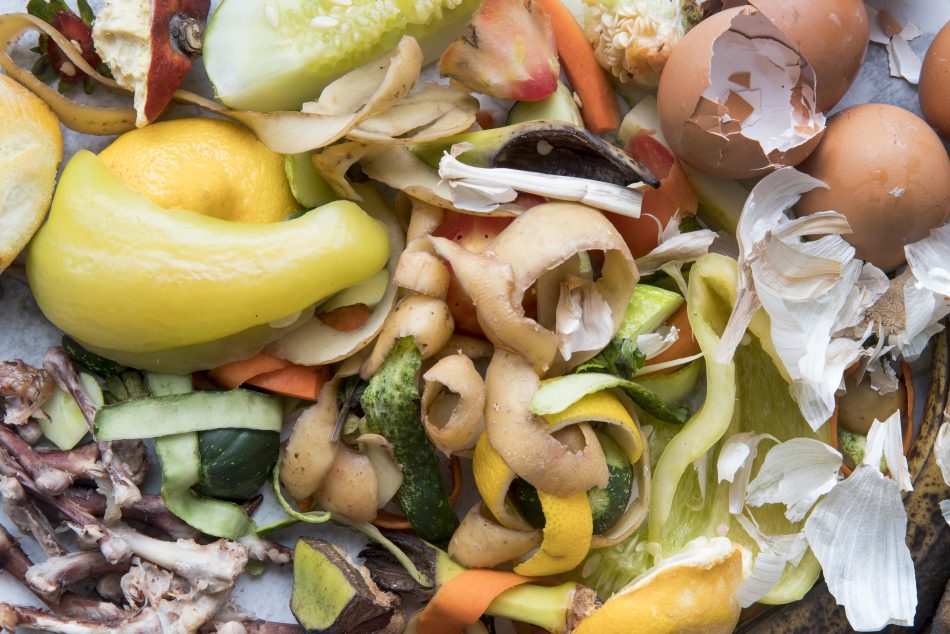
Production of PHAs for bio-based chemistry from sewage sludge and organic materials
Development of PHA extraction technologies from sewage sludge to produce biodegradable, bio-based building blocks for green chemistry.
SAFE Ongoing
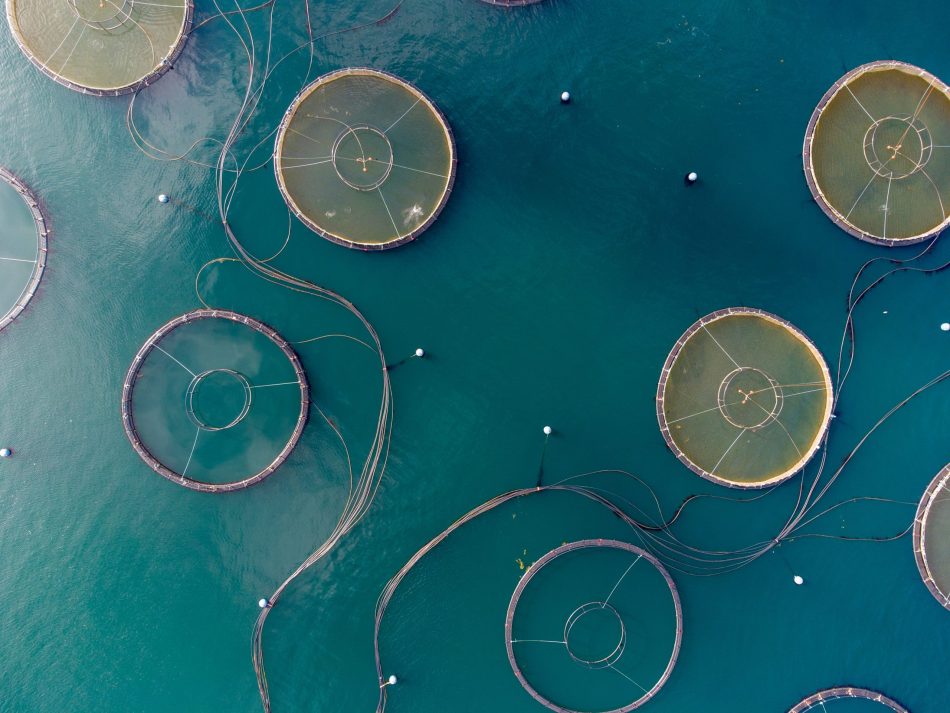
Sustainable bioeconomy: aquaculture, biodiversity, biotechnology, and integrated freshwater uses.
The SAFE project aims to make aquaculture more sustainable by valorizing solid and liquid waste from recirculating aquaculture systems (RAS) through circular economy approaches.