Smart Nature for Better Life.


R&D

Agri-food

Development and improvement of food formulations

Celabor supports the development and optimization of food formulations by improving their nutritional and health profiles. This work involves the integration of innovative ingredients and raw materials, particularly to achieve specific nutritional or health claims. Our analytical capabilities enable the precise characterization of macronutrient and micronutrient profiles, as well as other relevant parameters needed to substantiate the nutritional benefits achieved.

Food preservation and shelf life

We push the boundaries of food preservation to develop tailor-made solutions for each product, using the most natural approaches possible. Our mission is to extend the shelf life of your food products while preserving their nutritional profile and sensory qualities, all while ensuring food safety.

The Food Department also works in close collaboration with the Materials Department to develop packaging solutions tailored to the specific properties of each food product.

New ingredients

Addressing the food challenges of tomorrow, our R&D hub supports agri-food companies in unlocking the full potential of new ingredients. Our expertise focuses on enhancing the functional properties of alternative proteins, developing natural sugar alternatives, incorporating prebiotic-rich ingredients, and much more.

Food processing methods

We work on the stabilization of raw materials, ingredients, and co-products while striving to preserve their original properties. Our expertise covers a wide range of applications, from improving physicochemical properties and extending food shelf life to transforming food products into stable solid forms. Beyond freeze-drying and spray-drying, we explore the potential of pilot-scale vacuum microwave drying, an innovative and sustainable solution that combines rapid processing with the preservation of heat-sensitive bioactive compounds.

Development of analytical methods and validation

Celabor develops and validates innovative analytical methods to anticipate and effectively respond to the evolving requirements of food legislation. Our expertise provides companies with fast and reliable analytical services, helping them ensure product compliance and secure market access.

Our method development activities also support our research projects, enabling us to deepen our understanding of the solutions and products under investigation.

Clean label

At the forefront of innovation, our R&D hub is developing a new generation of Clean Label food products. We refine formulations to focus on the essentials: natural ingredients and no unnecessary additives, while ensuring full transparency.

Our mission is to combine the convenience and performance expected by the food industry with the highest standards of food safety.

R&D

Extraction-Biotech

Extraction and Discovery of Natural Bioactive Compounds

We develop advanced extraction, fractionation, and purification processes to discover and isolate high-value natural bioactive compounds for pharmaceutical, nutraceutical, cosmetic, and health applications. Combining expertise in pharmacognosy, analytical chemistry, and biology, our multidisciplinary teams identify and characterize novel molecules with anti-inflammatory, antimicrobial, antiviral, metabolic, and skin-health properties. Through integrated phytochemical profiling, bioactivity-guided screening, and mechanistic biological assays, we establish robust links between chemical composition and biological function. Our dedicated skin screening platforms further support the identification of innovative anti-aging ingredients by investigating key cellular and molecular pathways involved in skin aging. This integrated approach delivers safe, effective, and scientifically validated natural ingredients for next-generation health and dermocosmetic products.

Cascading Biorefinery and Process Intensification for Sustainable Biomass Valorization

Our cascading biorefinery approach combines cutting-edge extraction technologies and process intensification tools to unlock the full value of biomass. By integrating green solvents, supercritical fluids, and advanced physical treatments, we deliver sustainable, energy-efficient, and scalable solutions that accelerate the industrial deployment of next-generation bio-based ingredients and materials.

Advanced Bioactivity-Guided Fractionation and Integrated Chromatographic Approaches

We combine advanced chromatographic techniques, bioactivity-guided screening, and state-of-the-art analytical platforms to accelerate the discovery and characterization of natural bioactive compounds. By integrating CPC, HPTLC-densitometry, HPTLC-bioautography, and LC-MS-based approaches, we efficiently link biological activity to chemical composition, enabling the targeted isolation and identification of high-value molecules from complex natural matrices.

Plant and Alternative Proteins: Scalable and Innovative Downstream Processing (DSP) Technologies

We develop scalable downstream processing (DSP) solutions for the extraction, enrichment, and purification of high-quality proteins from plant, algal, fungal, bacterial, and insect biomass. Leveraging membrane separation, controlled precipitation, selective chromatography, and process intensification strategies, we optimize protein yield, purity, functionality, and digestibility while ensuring industrial scalability. Our work supports the production of sustainable protein ingredients that meet European food and feed standards, contributing to the valorization of local resources and strengthening protein self-sufficiency within the bioeconomy.

Lignocellulosic Valorization: Advanced Pretreatments, Pressurized Extraction, and Bioprocesses

This research axis integrates the principles of cascading biorefinery to develop circular value chains based on locally available lignocellulosic resources. We investigate the controlled deconstruction of lignocellulosic matrices using advanced pretreatments, including high-pressure homogenization, pulsed electric fields (PEF), and other process intensification technologies, to improve fibre accessibility and enhance downstream fractionation.
These pretreatments are combined with subcritical water processing to selectively recover lignin, hemicellulose, and cellulose fractions under optimized thermohydraulic conditions. The resulting streams are further purified using membrane separation, chromatography, or selective precipitation to produce high-value bio-based functional ingredients. In parallel, liquid and solid-state fermentation processes are developed to convert these fractions into enzymes, organic acids, and other metabolites of industrial interest.

Enzymatic Biocatalysis and Enzyme Production through Advanced Biotechnologies

This research axis supports the development of green, high-performance, and industrially scalable processes for the biotransformation of biomass and industrial co-products. We develop enzymatic biocatalysis strategies for the selective conversion of biomolecules, including the controlled hydrolysis of polysaccharides, proteins, and bioactive precursors. Our work focuses on designing, optimizing, and stabilizing free or immobilized enzyme systems adapted to complex plant, algal, fungal, and microbial matrices. Target enzymes are produced through advanced microbial fermentation, culture condition engineering, yield optimization, and selective purification. Mechanistic and kinetic studies are conducted to maximize reaction selectivity, efficiency, robustness, and scalability.

R&D

Materials

Biomass valorization for material applications

Biomass valorization for material applications

We innovate by substituting petroleum-based materials with biopolymers derived from biomass, thereby developing sustainable bio-based materials with optimized mechanical and functional properties, while guaranteeing their recyclability.
Barrier packaging & eco-design

Barrier packaging & eco-design

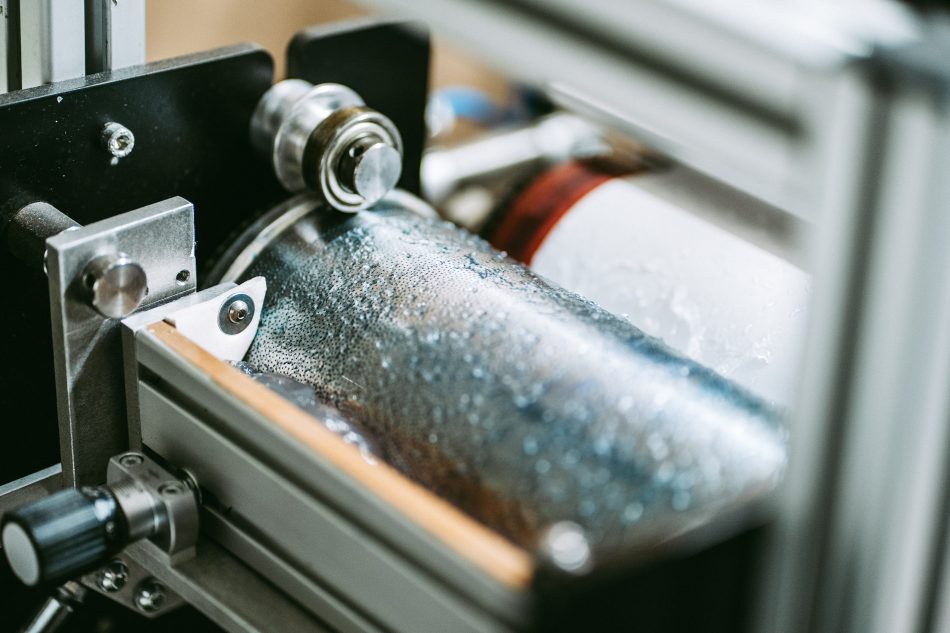
To accelerate the transition toward zero waste, we develop bio-based coatings that provide cellulosic substrates with barrier properties (moisture, oxygen, grease), while ensuring the biodegradability or recyclability of paper and cardboard packaging.
Textile innovation and sustainable finishing

Textile innovation and sustainable finishing

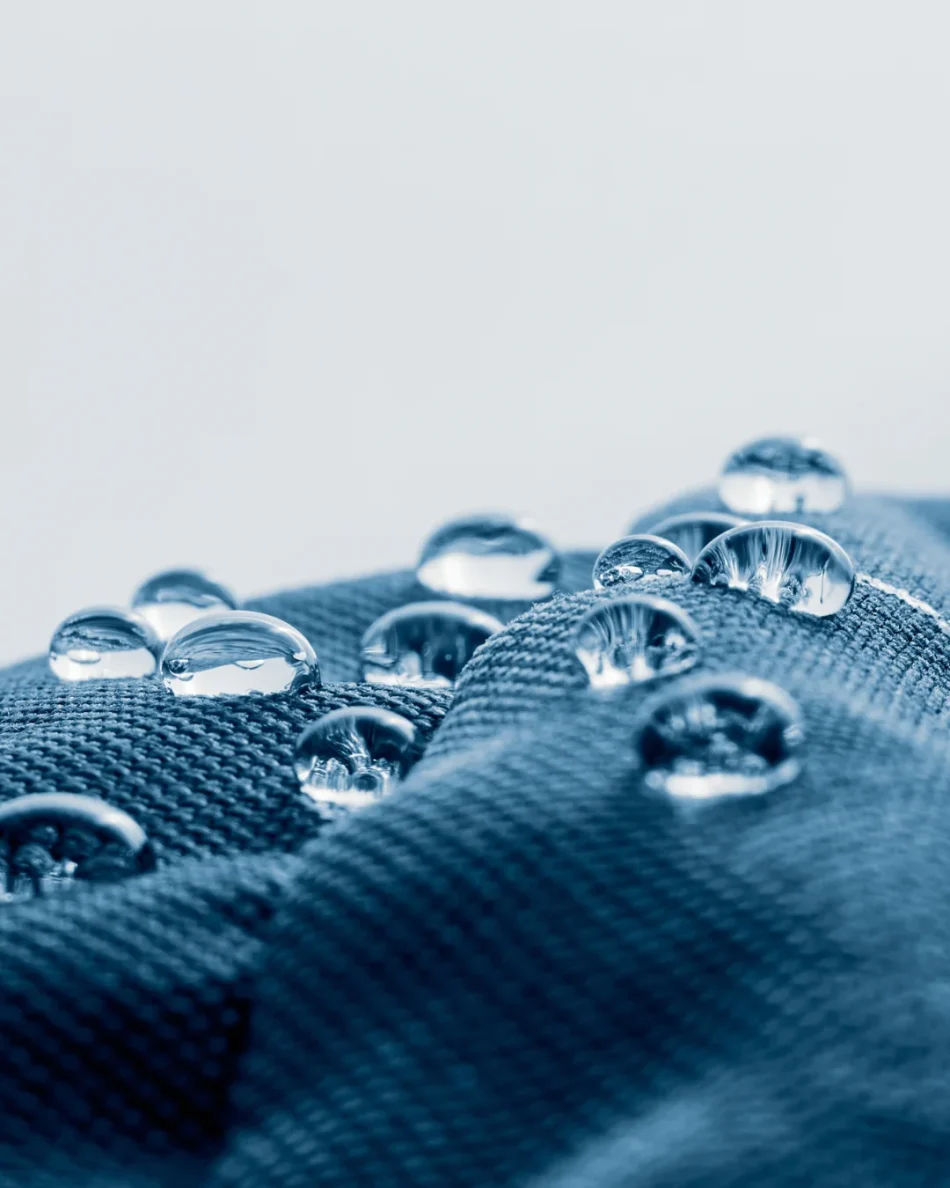
We reinvent textile finishes by prioritizing natural dyes and functional finishes (hydrophobicity, antibacterial, flame retardancy) derived from green chemistry, while valorizing natural fibers such as wool to reduce the sector's ecological footprint.
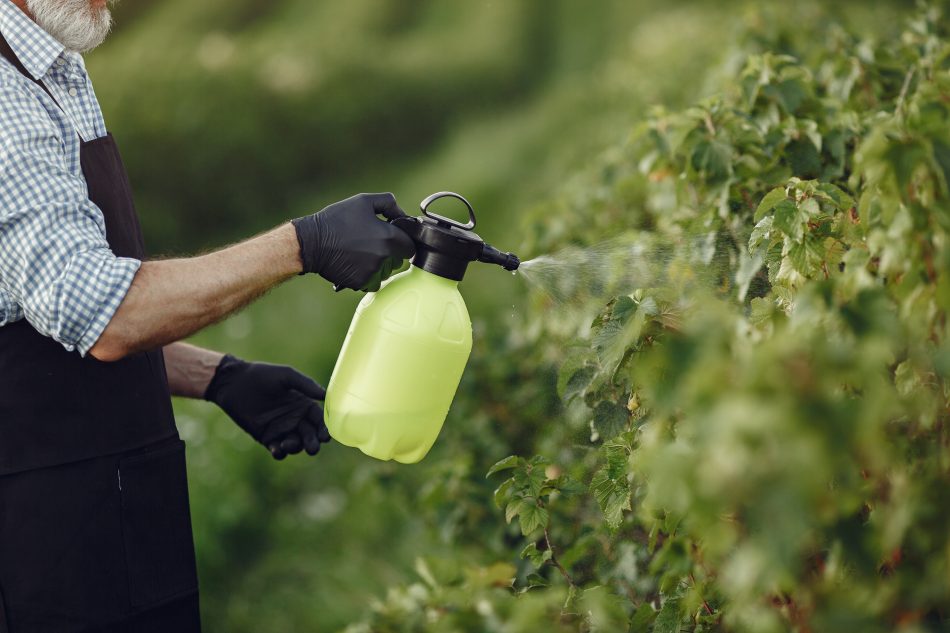
Nanofibers and encapsulation

Nanofibers and encapsulation

Use of cellulose nanofibers (CNF) and nanochitin for the encapsulation of active substances (such as pesticides) to ensure controlled and targeted release.
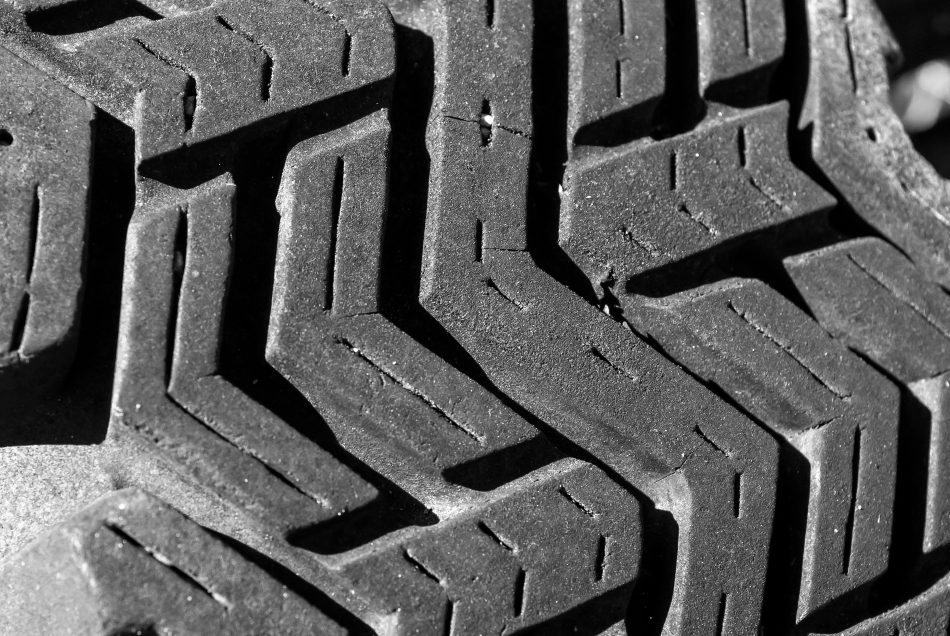
Circular and self-healing elastomers

Circular and self-healing elastomers

Participation in the design of low-carbon footprint rubbers using reversible bonds and bio-based components to offer self-healing capabilities and optimal recyclability.

R&D

Environment
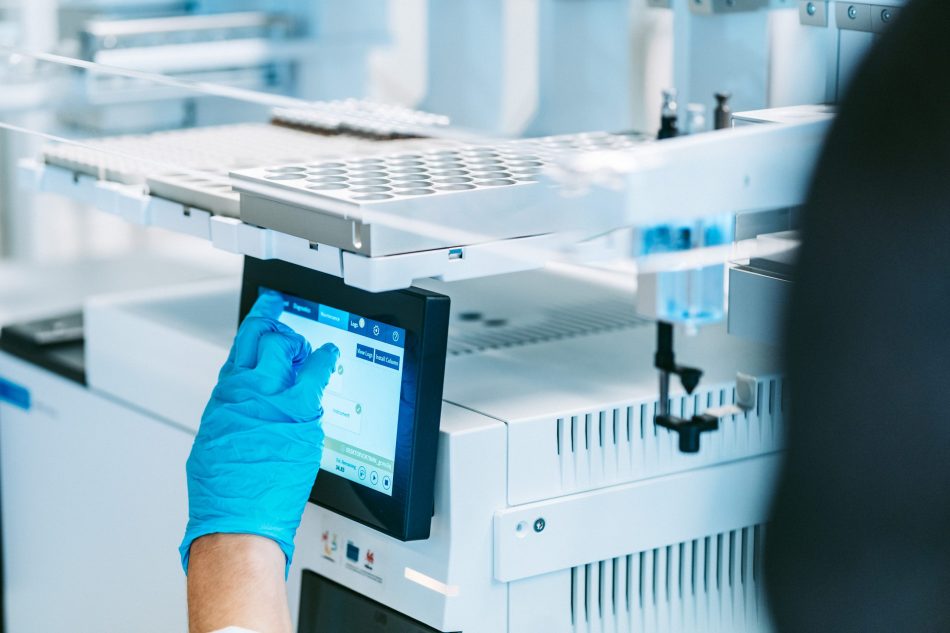
Water characterization

Water characterization

Celabor is a partner in various R&D projects for the characterization of different treatment stages for industrial and municipal wastewater, as well as surface water.
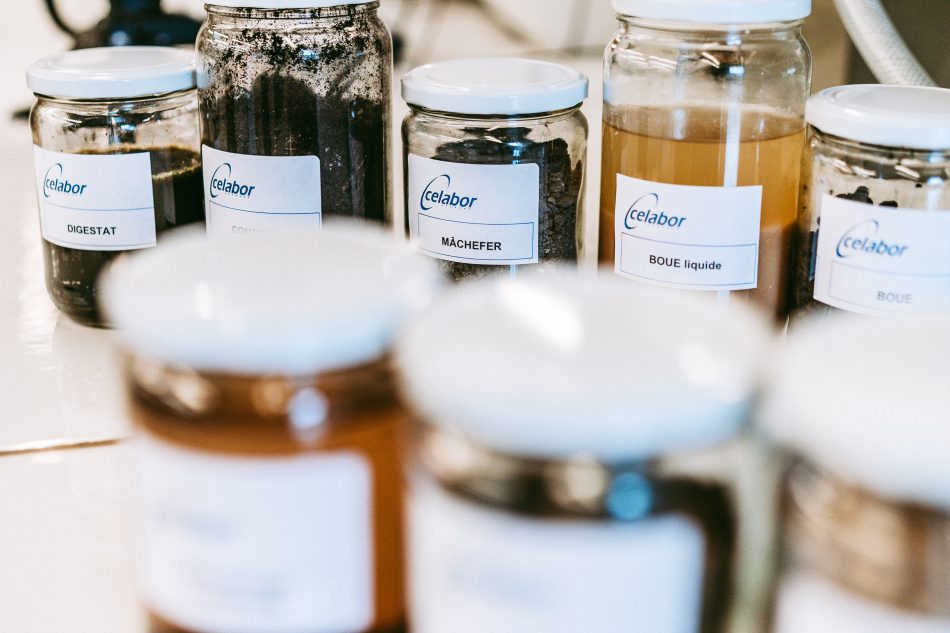
Waste characterization

Waste characterization

Celabor is a partner in various R&D projects for the characterization of diverse waste such as sewage sludge, compost, and biomass.
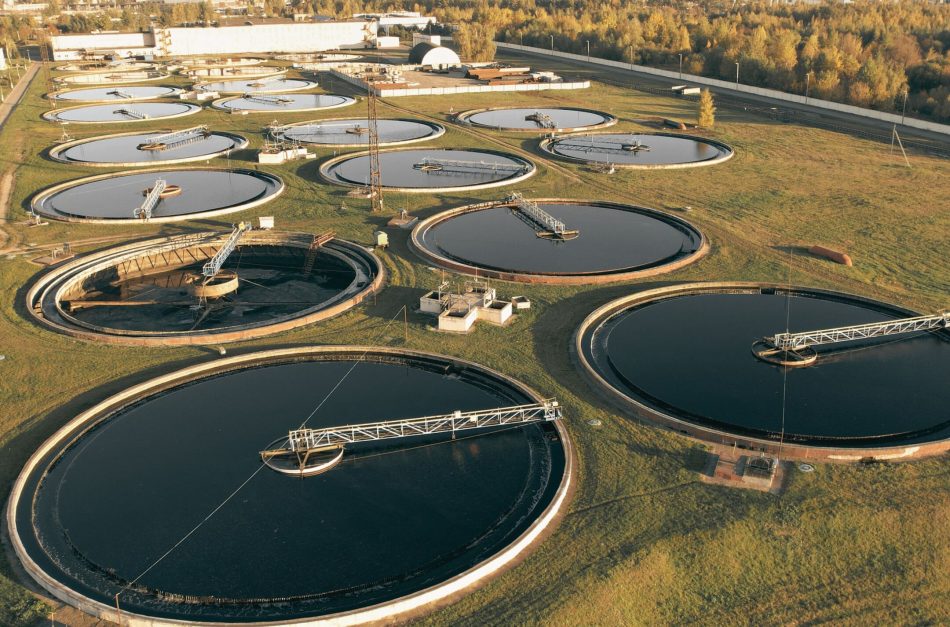
Industrial wastewater treatment

Industrial wastewater treatment

Through several collaborations, Celabor has developed water treatment processes using advanced oxidation and electro-photocatalysis. The goal is to degrade persistent pollutants such as micropollutants, pharmaceutical compounds, PFAS, and dyes. Celabor also develops physicochemical treatment processes for industrial wastewater.
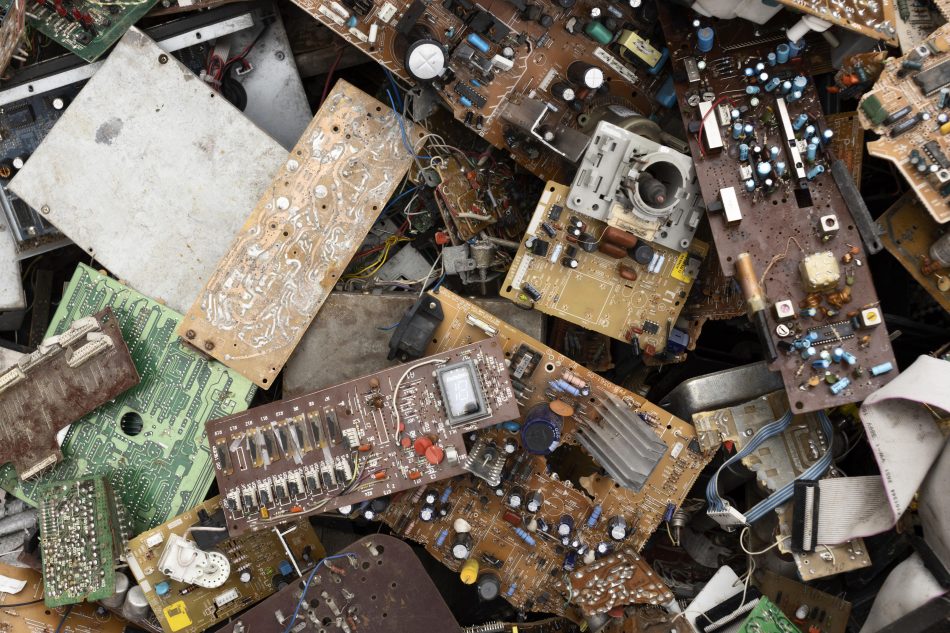
Rare earth recycling processes

Rare earth recycling processes

Celabor has developed a process for the recognition and selective sorting of rare earths in electronic waste.
Extraction of compounds of interest from sewage sludge

Using green extraction processes, Celabor valorizes various compounds of interest in sewage sludge.

Production of bacterial bioflocculants

Production of bacterial bioflocculants

As part of a research project, Celabor is participating in the development of biodegradable and non-toxic bioflocculants of bacterial origin for the settling/flocculation of sludge in municipal or industrial wastewater treatment plants.
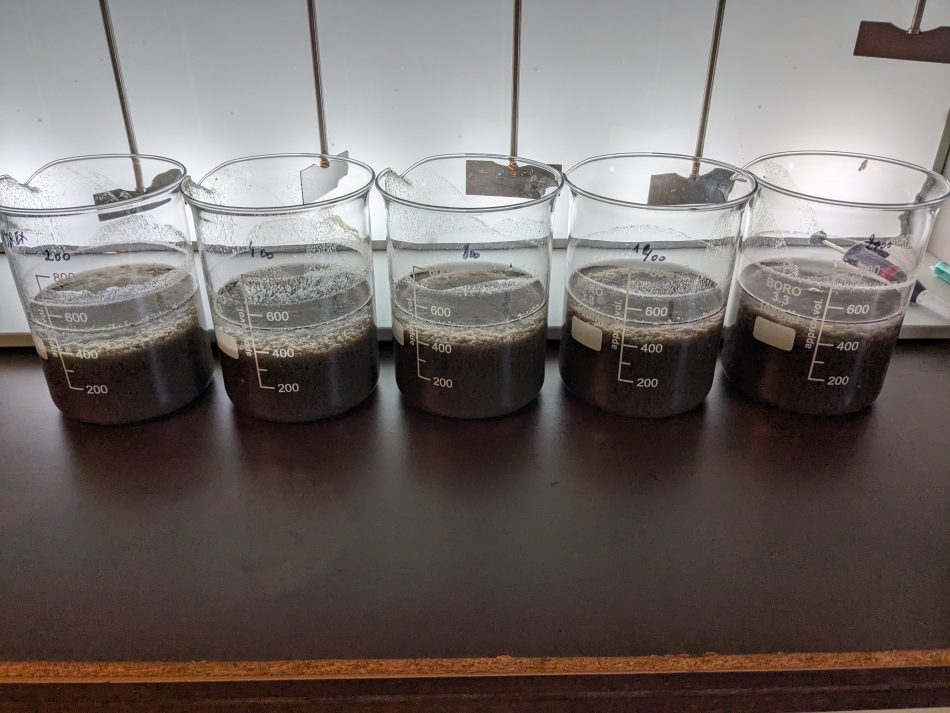
Characterization of settling properties of sewage sludge

Using its Jar-Test equipment, Celabor performs flocculation-settling tests on industrial wastewater.

Nitrate removal processes in water

Nitrate removal processes in water

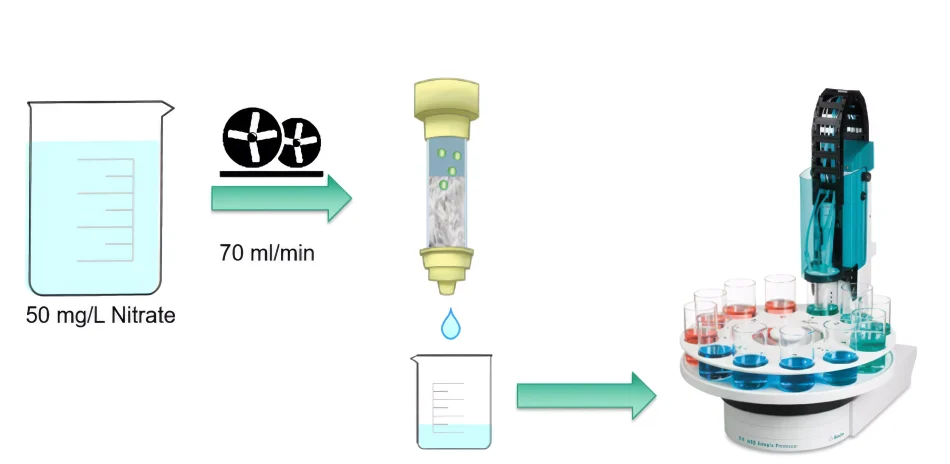
Celabor has developed functionalized filtration substrates to capture nitrates in drinking water.
Water disinfection processes

Water disinfection processes

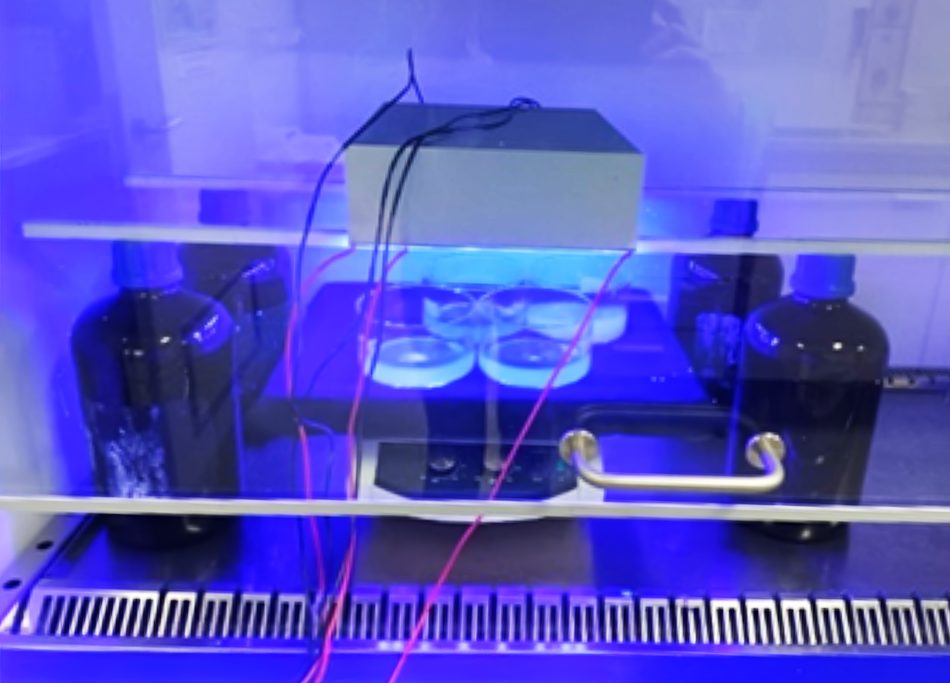
Celabor has developed a low-energy disinfection process for natural bathing waters. This process can be applied to water at the outlet of municipal wastewater treatment plants.
Water reuse

Water reuse

The ultimate goal of the various water decontamination and disinfection processes is water reuse.
Celabor