R&D - Project
Wearable Ongoing
Valorization of agricultural biomasses for bio-based and sustainable lubricant additives
The CORNET WearABLE project develops bio-based alternatives to anti-wear additives used in engine lubricants.
With a duration of two years, WearABLE explores an innovative pathway for valorizing agricultural and food co-products, breaking away from the applications typically targeted by CELABOR.
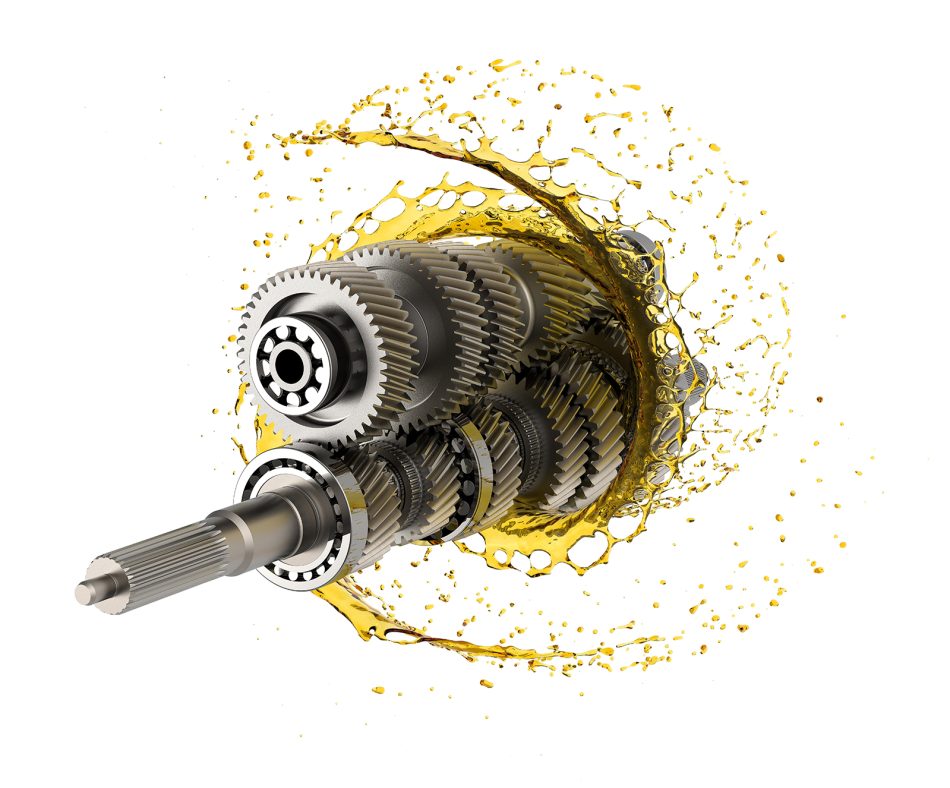
The project’s ambition is to extract biomolecules from locally available biomass streams and transform them into sustainable alternatives to anti-wear and anti-friction additives used in engine lubricants. Today, these additives are largely based on sulfur- and phosphorus-containing compounds, often associated with metals such as zinc, which are known for their environmental and aquatic toxicity.
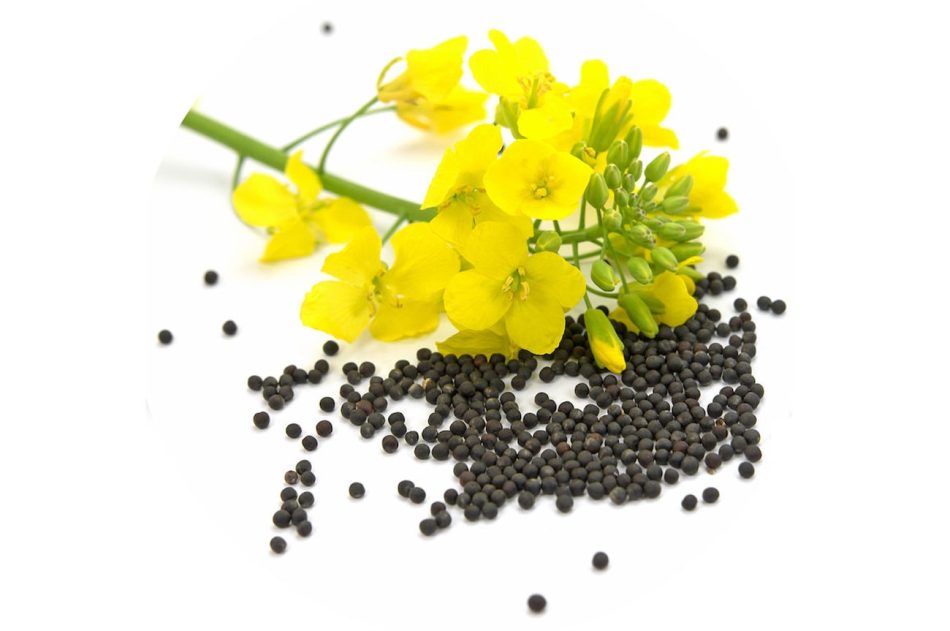
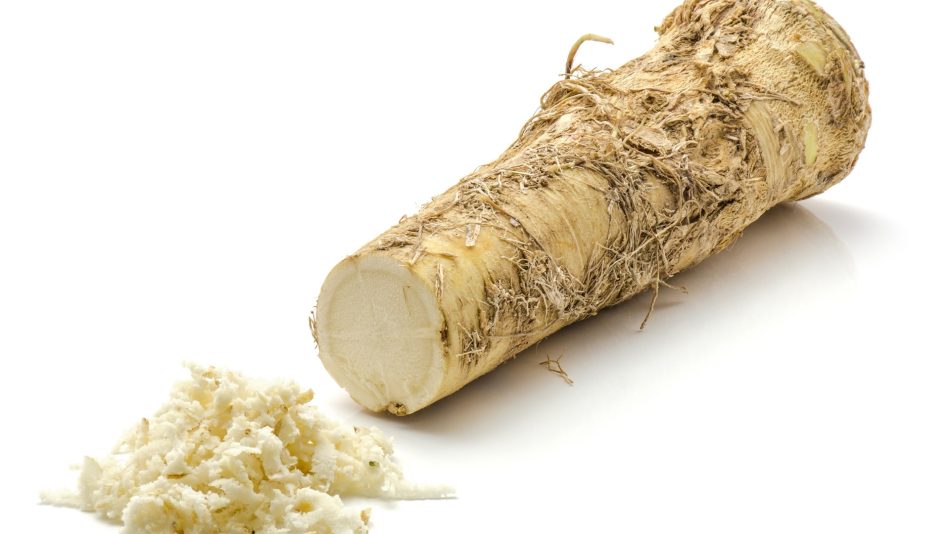
To address this challenge, WearABLE investigates the potential of regional co-products from rapeseed, mustard, horseradish, broccoli stems, sunflower, and other biomass sources as renewable reservoirs of sulfur and phosphorus. Particular attention is given to two families of compounds: Glucosinolates, as a bio-based source of sulfur; and Phytic acid, as a renewable source of phosphorus.
These molecules offer a unique dual advantage. Beyond their potential use in lubricant formulations, they are also recognized as antinutritional factors in food and feed applications. Their extraction can therefore contribute to improving the nutritional quality of the residual biomass, notably by enhancing protein digestibility and increasing the value of the resulting co-products.
Within the project, CELABOR develops innovative fractionation and purification strategies to:
- Extract glucosinolates and phytic acid using gentle, efficient, and scalable processes;
- Optimize purification steps while controlling process complexity and costs;
- Identify and characterize additional high-value molecules present in the selected biomasses;
- Assess the nutritional potential of the treated residues for human and animal nutrition, with a particular focus on protein quality and digestibility.
The German project partner is responsible for adapting the extracted biomolecules to oil-based lubricant systems through chemical or enzymatic modifications and evaluating their performance as bio-based anti-wear additives in industrial lubricant formulations.
Supported by a steering committee comprising 26 industrial partners, including five Walloon companies (Alvenat S.A. (http://www.alvenatproduction.com/), BIONAT (https://www.bister.be/fr), Lambiotte (https://www.lambiotte.com), Mosselman (https://www.mosselman.eu/fr/) and Elektrion 1907 sprl (https://elektrion.be/), WearABLE illustrates how circular bioeconomy principles can create added value across multiple sectors simultaneously, combining sustainable chemistry, biomass valorization, advanced extraction technologies, and improved feed and food ingredients.