R&D - Project
PROTINNOV Completed
Innovative strategies for a rational design of vegetarian products
In response to growing consumer awareness in favour of healthier and more sustainable products, demand for plant-protein-based foods and beverages is rising sharply.

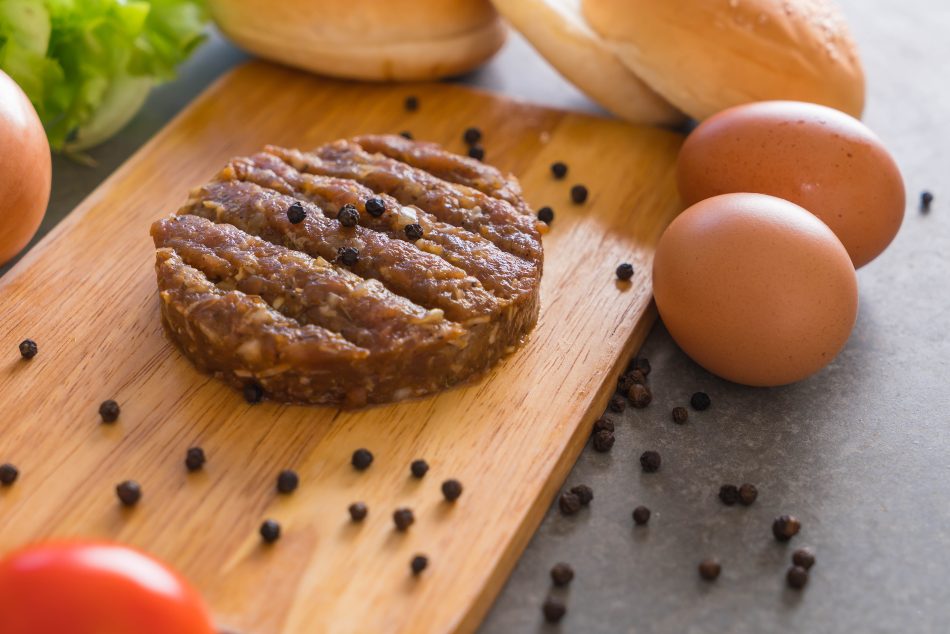
Moreover, consumers’ growing interest in product composition is giving increasing importance to nutritional labelling, notably through labels such as Nutri-Score and Yuka. However, the use of plant-based raw materials also presents challenges: on the one hand, the organoleptic quality of many products is impaired by off-flavours, whether originating from the raw material itself or induced by thermal treatments during processing. On the other hand, many consumers expect plant-based alternatives to be very similar to dairy and meat products in terms of taste, texture, colour and nutritional value. Yet these characteristics can generally only be achieved through the use of numerous additives, which runs counter to consumers’ desire to consume “natural” products. This issue inherent to currently available products could significantly slow the growth of this market segment in the medium and long term.
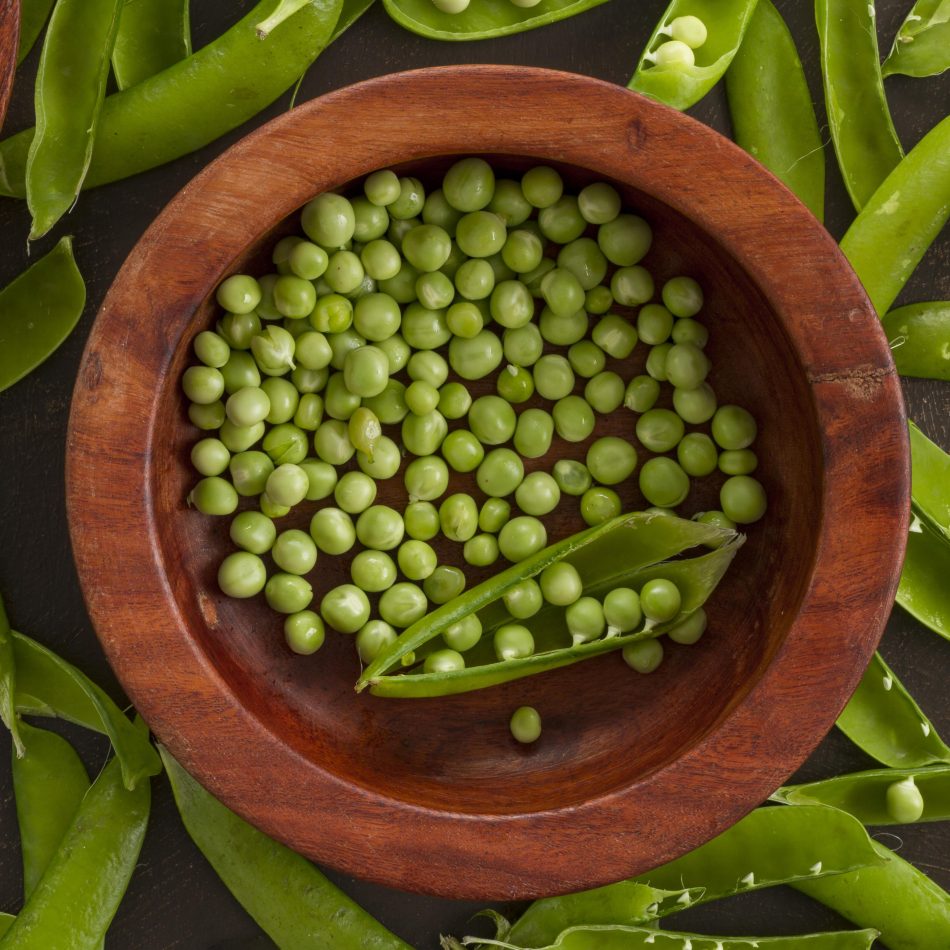
The aim of the project is to simultaneously improve the organoleptic and functional properties, as well as the nutritional value, of pea-protein-based ingredients derived from sustainable and readily available crops. To achieve this, the interactions between pea protein and polysaccharide biopolymers will be elucidated and targeted, and then functionalised using non-thermal processes. Protinnov therefore aims to obtain improved, protein-rich food ingredients from locally grown peas, making it possible to minimise the use of additives in food production.
The key technologies are high-pressure homogenisation and high-pressure hydrostatic treatment, which improve the physicochemical and sensory properties of pea-based products. These processes will be compared with a conventional thermal process—extrusion—in order to study their influence on the quality of pea-based food ingredients. The feasibility of the developed processes, as well as their scope of application, will be demonstrated using various model food products (desserts, beverages, meat or cheese substitutes). This pre-competitive, collaborative project therefore promotes the use of local plant-based raw materials for sustainable food and supports regional producers.