R&D - Project
IASIS Ongoing
Curing contaminated & saline land with Industrial crops & producing biomass for high value sectors
ASIS uses phytomanagement to restore contaminated and saline land by growing non-food crops and converting biomass into sustainable bio-based products through cascading biorefineries.
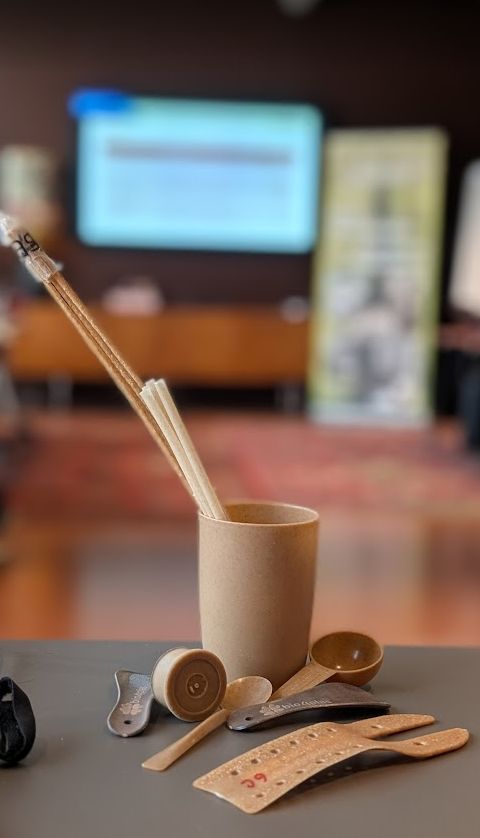
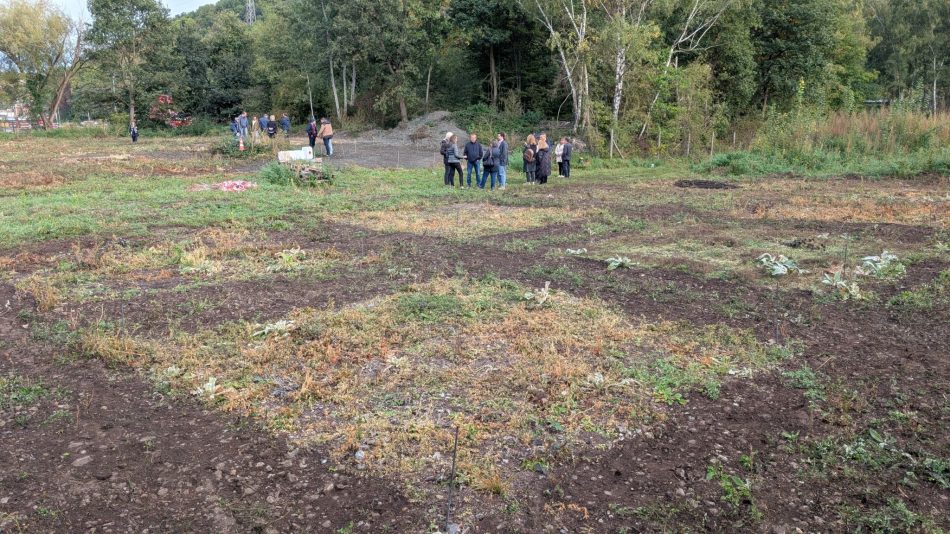
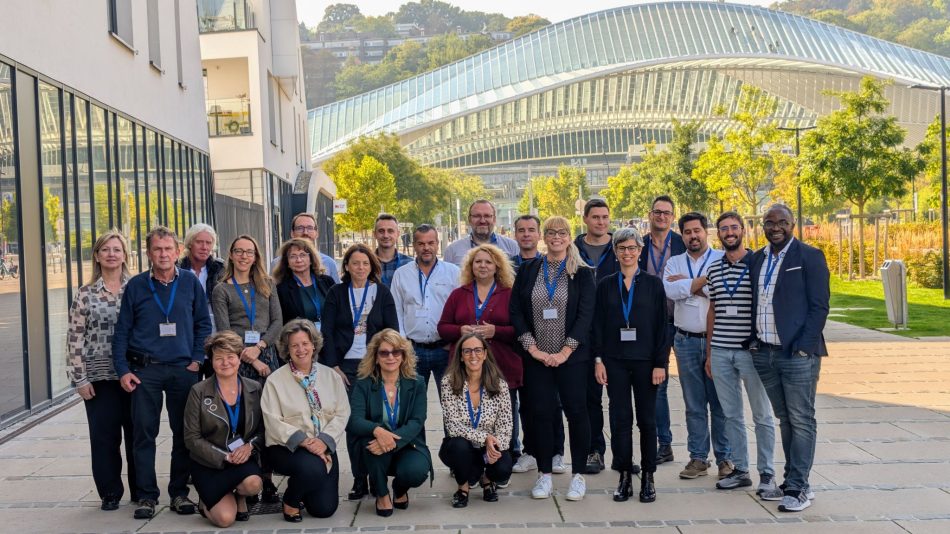
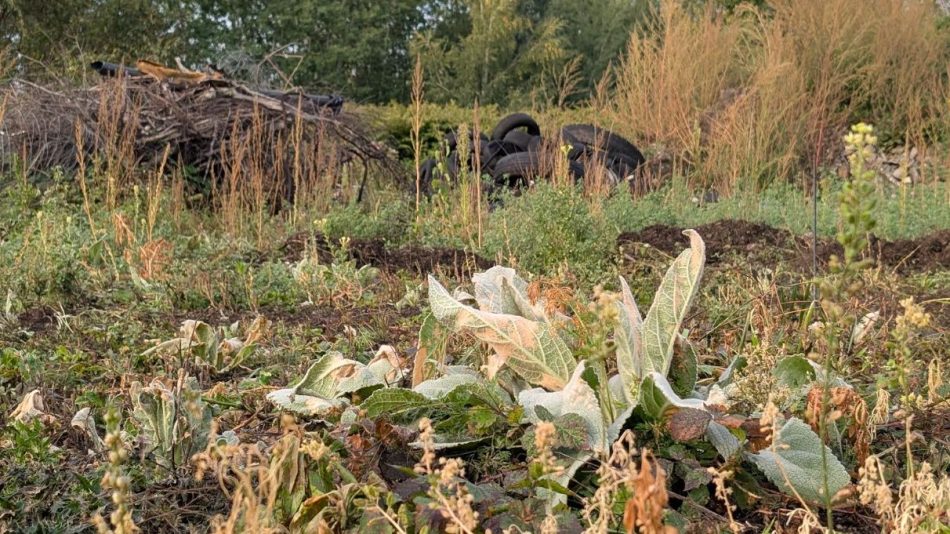
IASIS aims to provide solutions for curing both contaminated and saline land through phytomanagement. The project’s team will cultivate eight high-yielding non-food crops on the affected land as biomass feedstock for the development of bio-based products. This cascading biorefinery approach will create economically viable value chains and generate additional income sources for the involved farmers. Optimised crops and phytomanagement strategies will be tested in labs and field studies across eight European sites. The project will develop 10 intermediate and 10 end-products from oilseed and lignocellulosic crops. Sustainability and feasibility assessments will identify the best biomass-to-product pathways, supported by a Decision Support System and applicable business models.
Project Objectives
To achieve its purpose of using industrial crops to treat contaminated and salt-affected soils, IASIS has the following objectives:
- Evaluate and optimise the industrial crops’ suitability to restore contaminated and salt-affected soils.
- Test and validate the cultivation of industrial crops to restore contaminated and salt-affected soil.
- Involve farmers through engagement and training to enable them to produce feedstock for bio-based products.
- Apply a cascading biorefinery approach to produce extracts from industrial crops and their conversion into high-value products.
- Ensure economic viability and sustainability of value chains, end products, and applications of bio-based products.
- Provide tools that allow identifying and assessing pathways for the use and conversion of biomass for high-value applications.
- Engage relevant actors to exploit, communicate, and disseminate IASIS findings.
Expected Impacts
IASIS expects to have impacts at scientific, economic, and societal levels, namely:
- Providing scientific evidence on the performance of eight industrial crops despite contaminants and salinity.
- Increasing technical competencies in new feedstock extraction and their processing in added-value bio-based products.
- Reducing the cost per unit of feedstock, promoting the lower price and increased availability of raw materials due to the low or negative cost of using contaminated/saline lands.
- Enhancing supply chain resilience by using domestic renewable feedstocks.
- Enabling the establishment of industry and research networks.
- Offering alternatives to fossil-based raw materials, as well as generating job opportunities and additional income for farmers.
- Reducing competition with the food supply chain by using contaminated and saline soils.
- Promoting further scientific knowledge by sharing guidelines, recommendations, and data.
- Reducing the risk of investment by sharing the first results and promoting applications in other industries.
- Enhancing the knowledge of the decontamination potential of various industrial crops and cultivating practices on contaminated and saline soils.
- Increasing the land value by both decontaminating in the long term and producing biomass feedstock to support bio-based industries in the short term.
- Reducing human exposure to contaminants and improving the health of the local population.
By combining agronomic innovation, economic sustainability, and societal benefits, IASIS transforms degraded land into real opportunities for the European bioeconomy.
IASIS is a Research and Innovation Action co-funded by the European Union’s Horizon Europe Programme under Grant Agreement 101157430. The project is supported by the Circular Bio-based Europe Joint Undertaking and its members.