R&D - Project
EXPLAINED
Completed
Extrusion of insect and plant proteins: texturization and impact on digestibility.
Mealworms could be a key food source to prevent famine in a world with a constantly growing population.
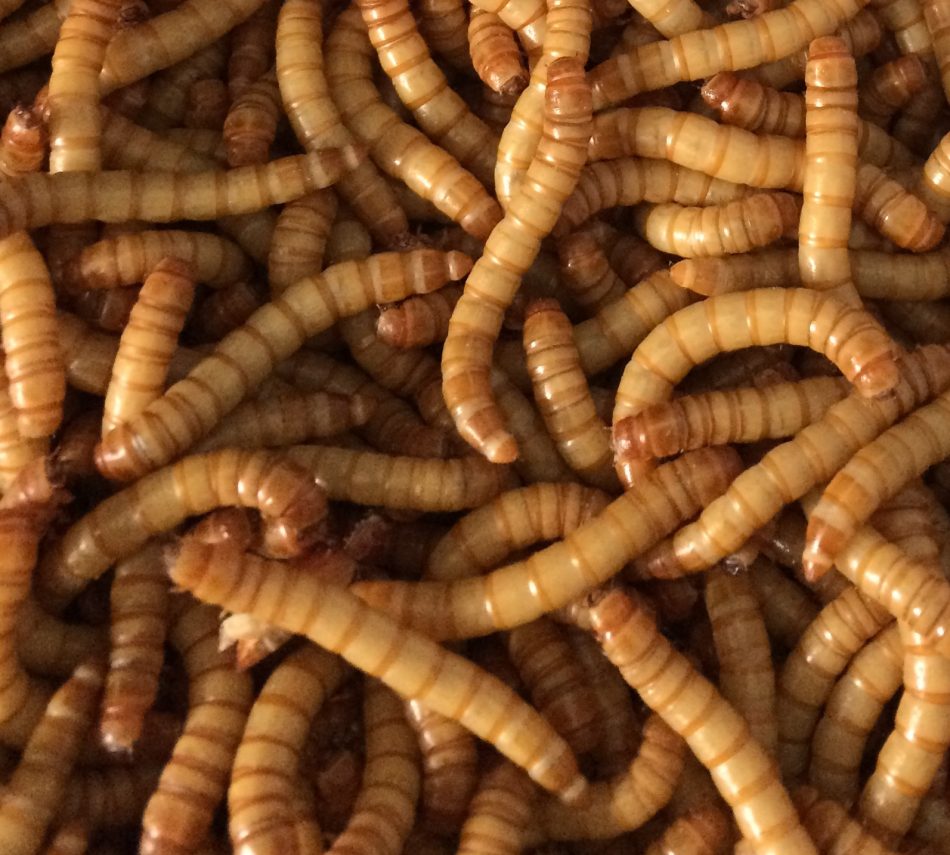
The future of our plates could involve animal proteins derived from insects. This is, in any case, one of the most promising solutions for a planet that will host over 10 billion individuals, threatened by famine. While crops should provide a significant portion of our diet, protein intake will need to be carefully balanced. This is not easily achieved with legumes alone, which have inherent weaknesses in their nutritional profile! Furthermore, "Even if supply chains already exist in Wallonia, we remain too dependent on foreign sources for alternative proteins, most of which come from soy, and opportunities can still be developed in Wallonia," explains Yves Houet, director of Celabor, a research institution based in Chaineux. Celabor is involved in a major Feder project funded by Europe, Wal’prot, bringing together 7 Walloon partners, as well as numerous European projects, including the EXPLAINED project with Germany.
Each partner has its own tasks. Those assigned to Celabor, in conjunction with one of the 76 institutes of the German Fraunhofer, involve the extraction, purification, and extrusion of insect proteins to create ingredients with high nutritional value that are easily consumable and palatable.