R&D - Project
BACZEREAU
Completed
Innovative and energy-efficient disinfection for natural bathing areas.
The BACZEREAU project validates a UVA-Visible photocatalytic reactor to effectively disinfect wastewater by destroying pathogens via their cell wall rather than their DNA.
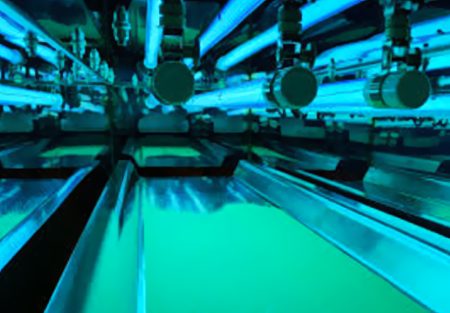
The objective of the BACZEREAU project is to validate at pilot scale the effective and definitive disinfection performance of a sol-gel photocatalytic reactor combined with UVA-Visible lighting as tertiary treatment for a wastewater treatment plant or in closed loops, by leveraging the destruction of pathogens by affecting their cell wall instead of DNA alterations.
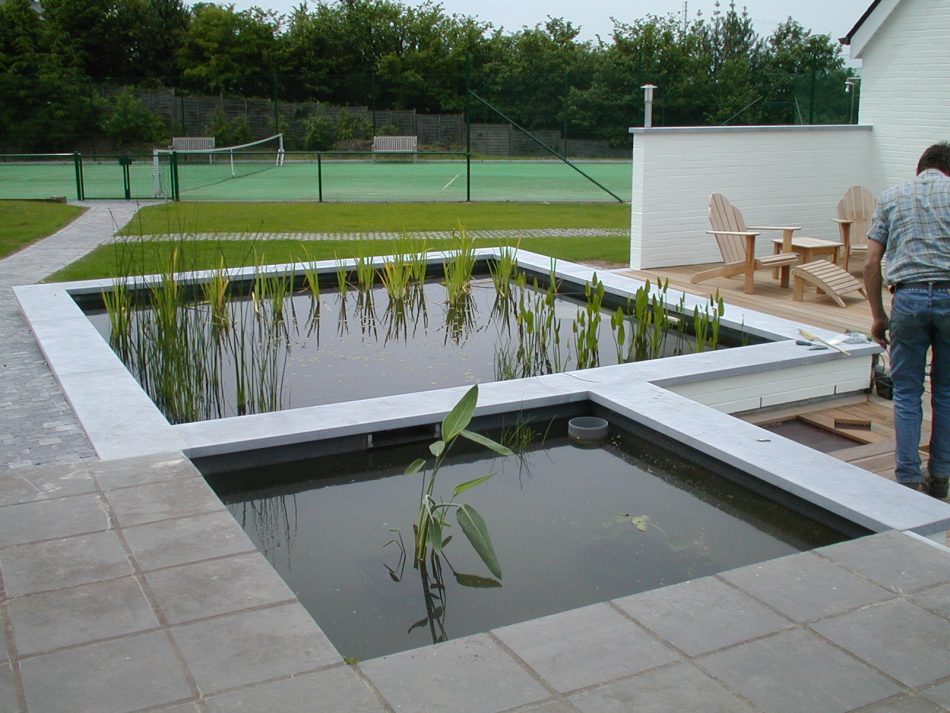
Due to global warming, more and more people are attracted to the coolness of water in swimming pools, city fountains, ponds... If the natural bathing area is located downstream of a wastewater treatment plant, tertiary water treatment is necessary before discharge into the river to comply with European Directive 2006/7/EC concerning surface water bathing areas in terms of microbiological water quality. According to this directive, intestinal Enterococci must remain below 330 CFU/100 ml and Escherichia coli cannot exceed 900 CFU/100 ml in natural bathing waters. Currently, conventional technology for reducing pathogens uses UVC lamps. UV energy modifies the DNA structure of the microorganism in a process called thymine dimerization.
Learn more about the
Baczereau project